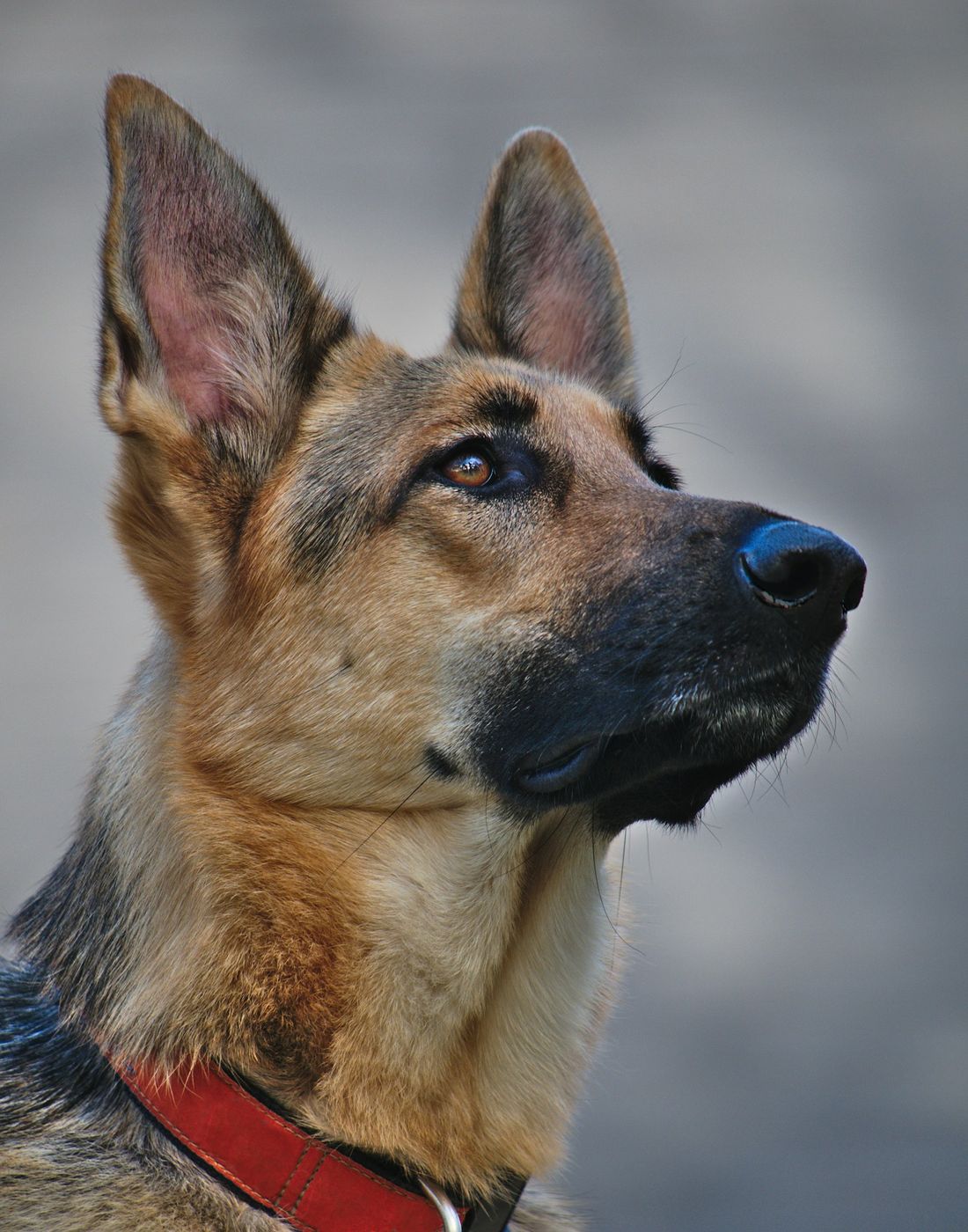
City dogs
Training for a dog that lives in the city.
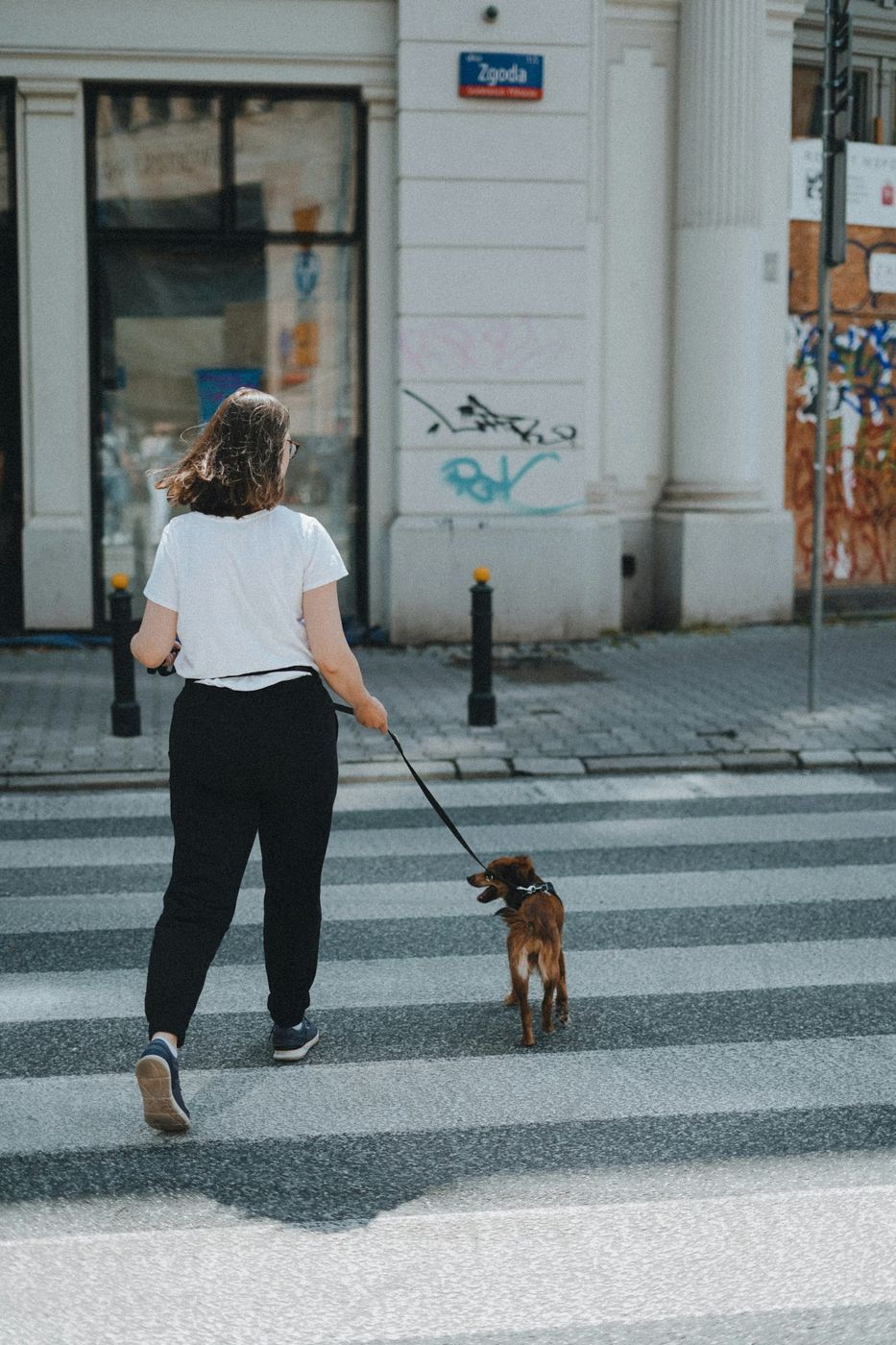
A city dog needs different things from a country dog: a calm walk on a crowded pavement, a settle under a café table, politeness in a lift and relaxed travel on buses and trains. Knowing which of those your dog finds hard tells you which kind of help to look for.
Choose your path
Pick the kind of help that fits.
Six guides cover everything from a single lesson to a multi-week stay. Each one gives a general price and the questions to take into a first conversation with a trainer.
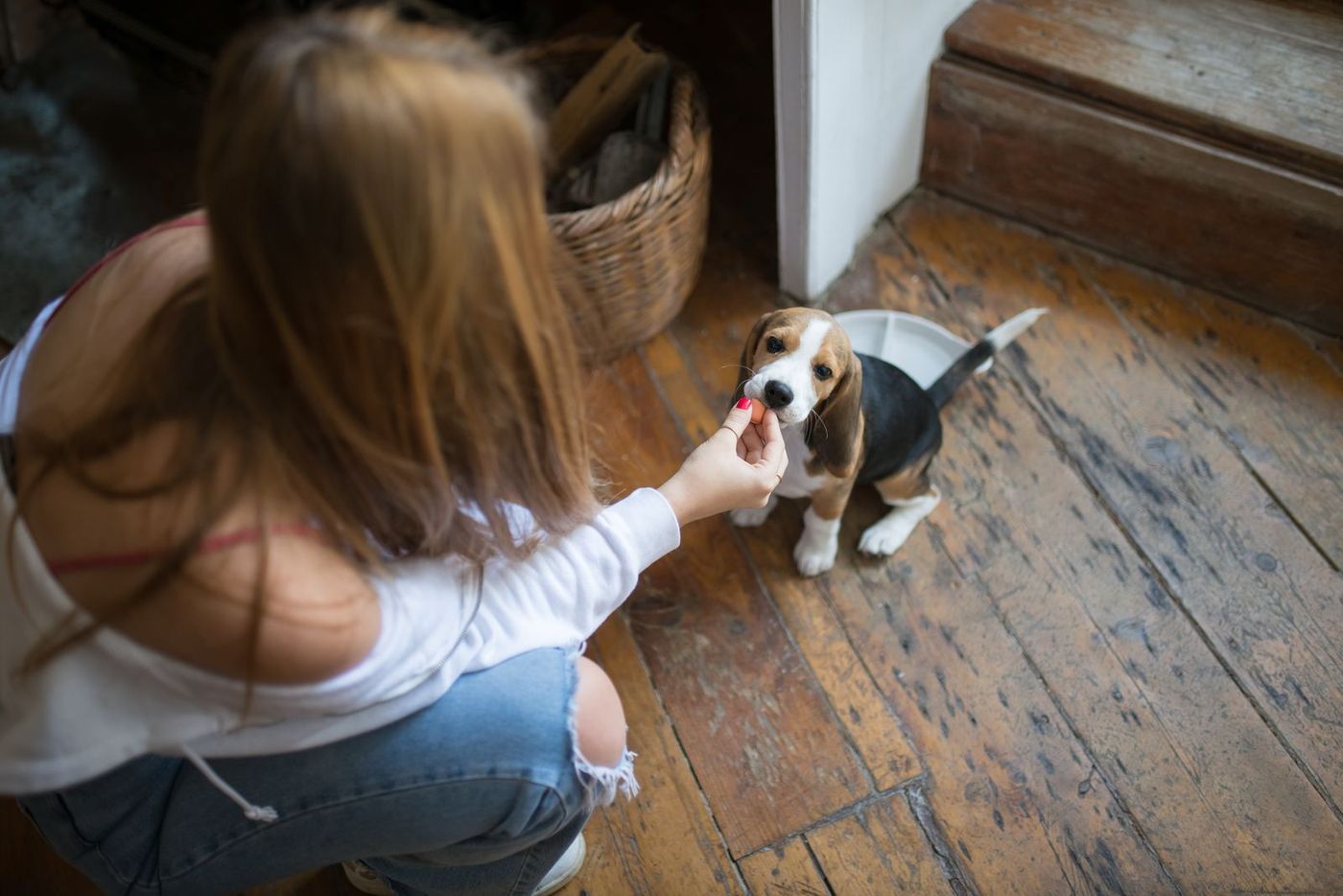
Private Lessons
A private lesson is one trainer, one dog and one owner working on the cues and habits you choose, usually for 45 to 60 minutes.
£40 to £80 per lessonRead the guide →
Puppy Courses
A puppy course is a short run of one-to-one lessons covering the basics: toilet training, a name response, sit, down, a happy recall, gentle handling and settling alone.
£120 to £250 per course of lessonsRead the guide →
In-Home Visits
Some problems only show up in one place: the front door, the stairs, the kitchen.
£50 to £100 per visitRead the guide →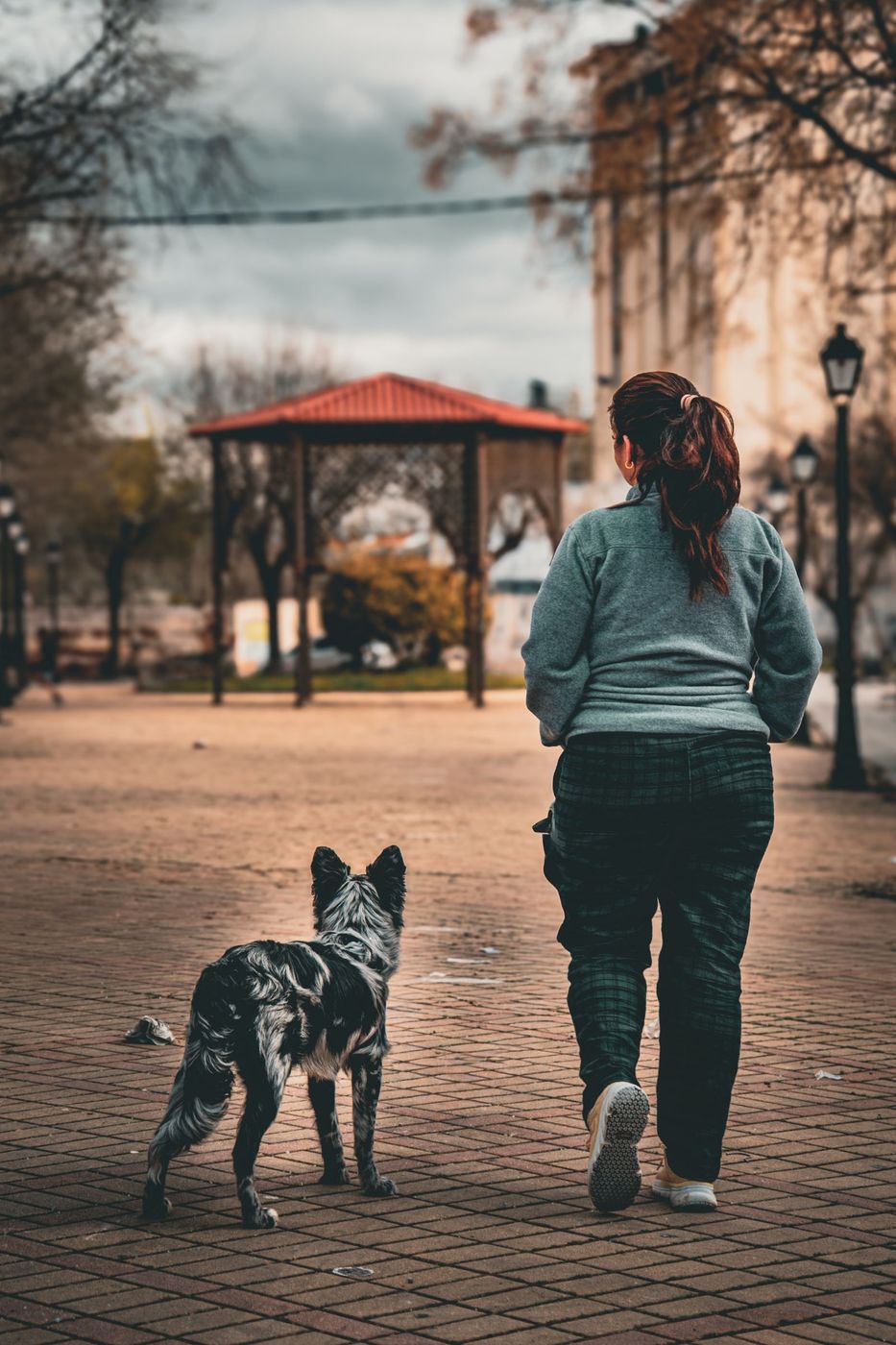
Obedience Programmes
An obedience programme strings several lessons together so skills build in order: attention, sit and down, lead walking, stay, recall and then distractions.
£300 to £800 per programmeRead the guide →
Behaviour Help
Behaviour work deals with what a dog feels, such as fear of strangers, frustration on the lead or distress when left alone, rather than only what it does.
£250 to £700 per behaviour planRead the guide →
Board and Train
During a board and train, a trainer works with your dog every day for a couple of weeks, then teaches you to keep the skills going.
£1,200 to £2,000+ for a 2 to 3 week stayRead the guide →Estimates, not quotes. Real prices depend on the trainer, the dog and the area.
Everyday progress
Calm dogs. Clear routines.
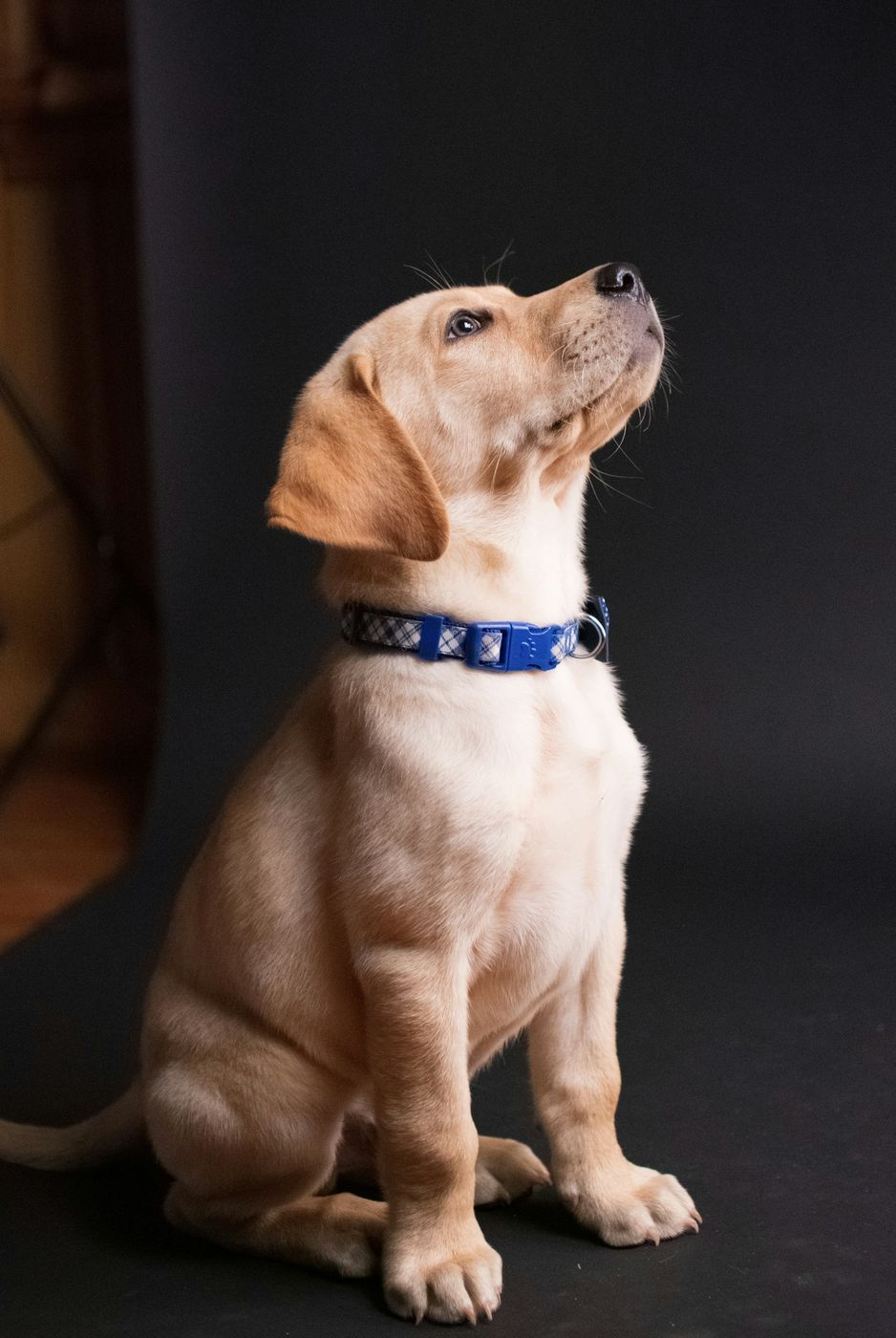
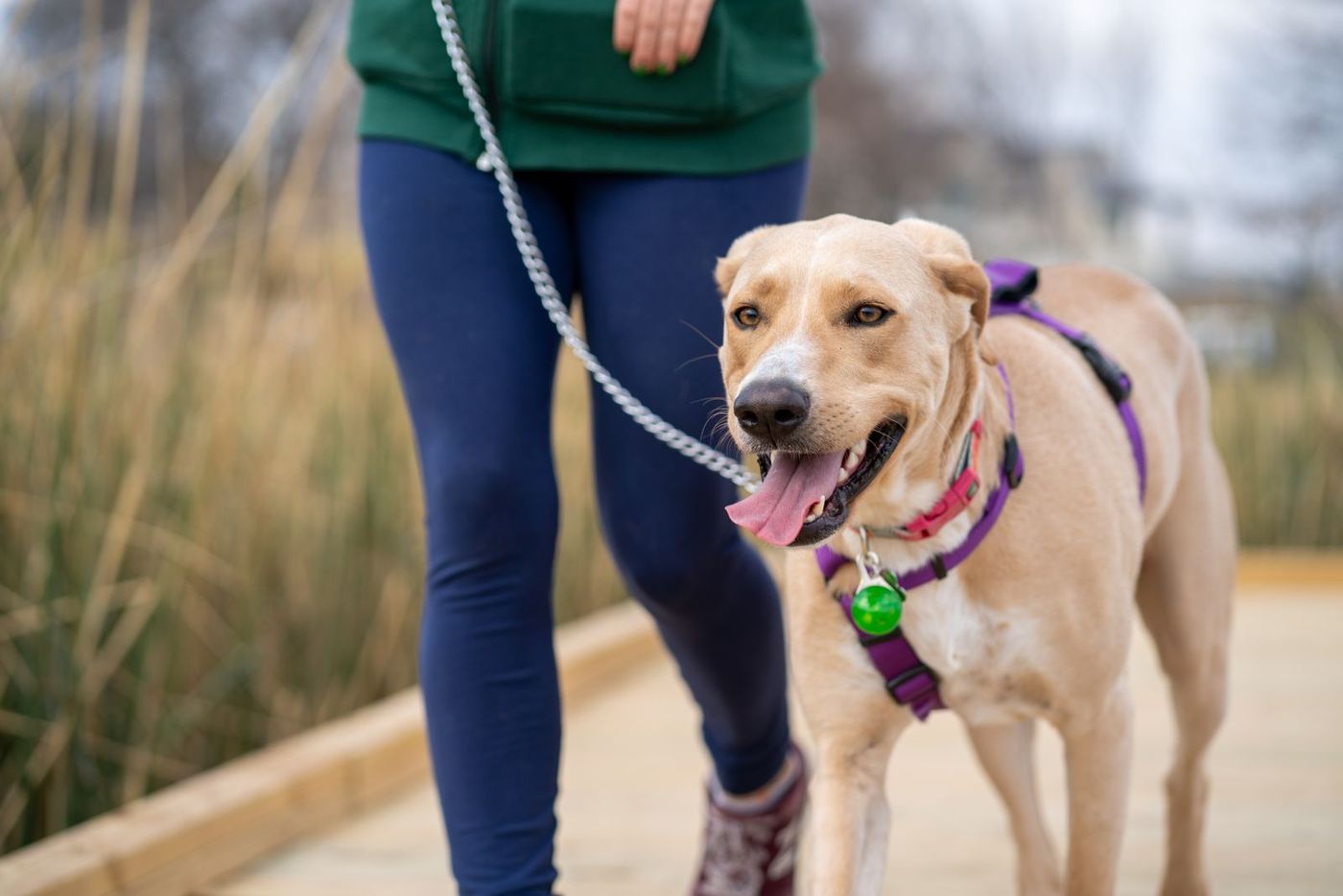
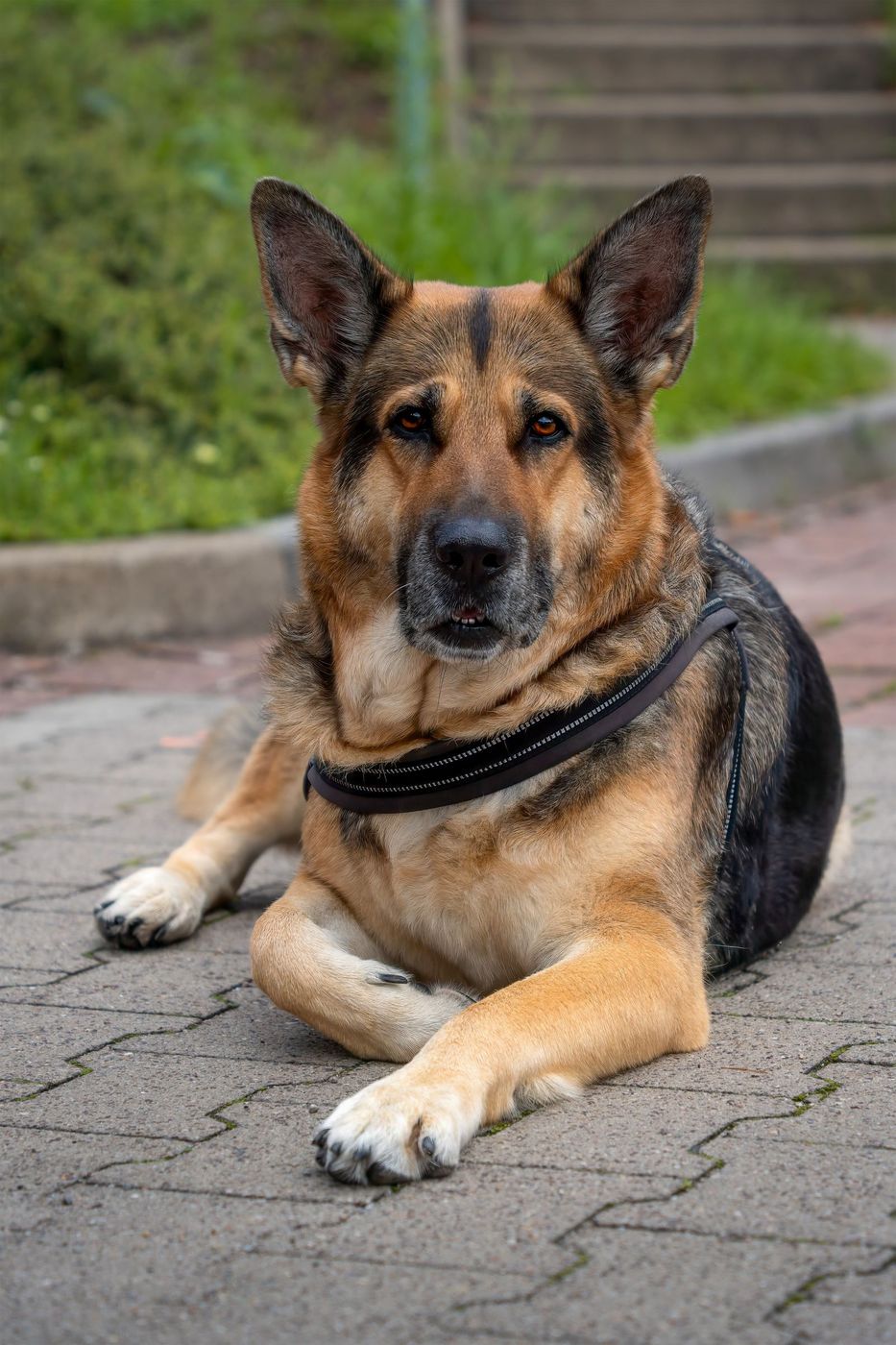
City training is mostly quiet repetition. These frames show the kind of steady, low-key moments that good lessons are built from.

How it works
Read. Ask. Compare.
- 01
Read the guides
Each guide explains what a type of training involves and what shapes the cost.
- 02
Write your questions
Use the checklists here so you are ready to ask any trainer the right things.
- 03
Compare in writing
Line up length, content and total price before you decide.
About this guide
A plain guide, not a sales pitch.
London is a hard place to be a dog. This guide looks at that honestly, covering what training involves, what it generally costs and how the capital shapes the advice.
Each area page ties the training goals to local conditions such as park rules, towpaths, hills and housing. The details come from public sources, not paid listings.
About this guide →Trainer availability
Where things stand today.
We are lining up professional trainers in London, and nobody is taking requests from this site yet. In the meantime, use the guides to work out which kind of help suits your dog.
- Nothing to submit and nobody to wait for
- Prices shown in pounds as general estimates
- Notes for eight areas across the capital
Service areas
London, area by area.
Boroughs differ in parks, pavements, dog rules and noise. These pages explain how that changes what your dog should practise first.
How to read these pages
Specific advice. Honest limits.
From K9PN. Read the Disclaimer for specifics.
Good questions
Before you begin.
How much does dog training cost in London?
General estimates run from about £40 to £80 for a private lesson, £120 to £250 for a puppy course, £300 to £800 for an obedience programme and £250 to £700 for behaviour help. Board and train stays are generally £1,200 to £2,000 or more.
Can I train my dog if I live in a flat?
Yes. Plenty of London dogs live in flats. Settling on a bed, calm greetings at the door and lead manners on busy pavements all suit city life.
Do dogs have to be on a lead in London parks?
It depends on the park and the borough. Some Royal Parks require leads at certain times of year, and councils can set their own rules, so read the signs and your council's website.
Can this site connect me with a trainer?
Not at present. There is no form and requests are closed.
Which training methods should I look for?
Reward-based teaching that raises difficulty in small steps. Be wary of anyone who relies on fear or pain, or who promises a fixed outcome.
Is there a licence for dog trainers in the UK?
There is no single legal licence for dog training, so ask about qualifications, insurance and membership of a professional body.